
Dr. Pam Blog
Dr. Pam Blog
Monday, October 12, 2026
By Dr. Pamela Johnson, DVM
Monday, October 12, 2026
By Dr. Pamela Johnson, DVM
Dog Ear Health: How to Clean Your Dog’s Ears Safely and Help Prevent Ear Problems
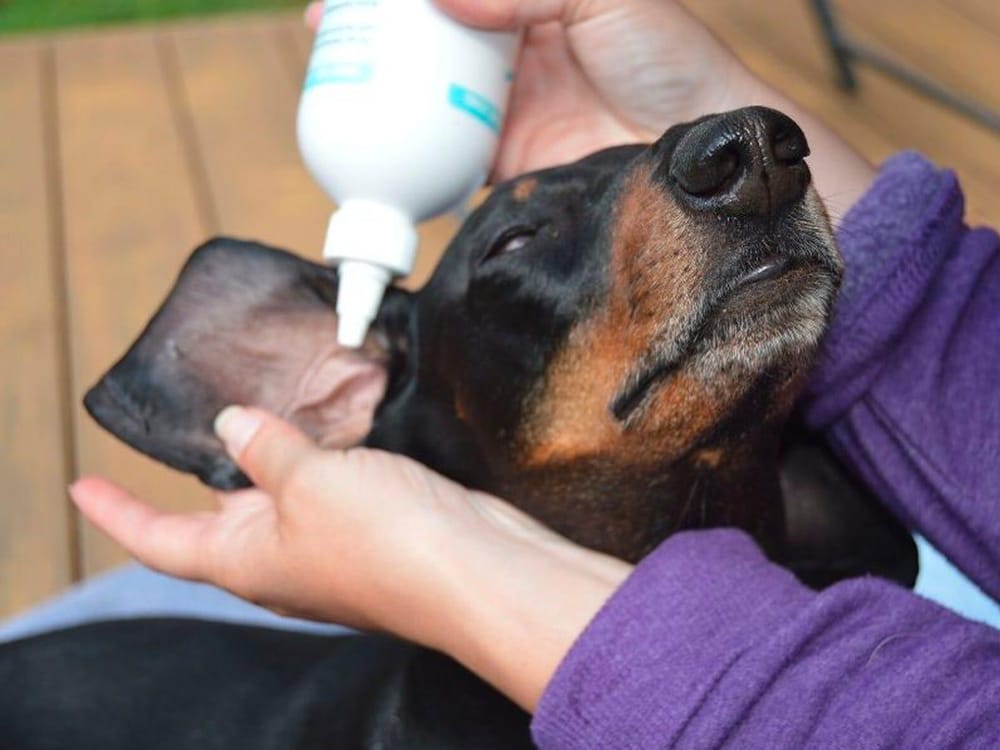
Introduction: Healthy Ears Need More Than a Quick Wipe
If you've ever had a dog with recurring ear problems, you know how frustrating they can be.
The head shaking starts.
Then the scratching.
Maybe you notice an odor.
You lift the ear flap and see redness or dark debris.
Before long, you're back at the veterinary hospital with another uncomfortable ear.
After more than 30 years in veterinary medicine, I can tell you this clearly:
Good ear care isn't simply about making the ears look clean. It's about helping maintain a healthy ear-canal environment.
The ear canal is a small ecosystem.
Moisture, wax, skin cells, microorganisms, inflammation, and airflow all play a role in what happens there.
When that environment changes, yeast and bacteria that may normally be present in small numbers can sometimes multiply excessively.
That's why appropriate ear maintenance can be an important part of preventive care—especially for dogs prone to recurring ear problems.
But there's an equally important message:
More cleaning is not always better.
The right product, the right technique, and the right frequency matter.
And if an ear is painful, inflamed, infected, or producing abnormal discharge, cleaning alone may not be the solution.
Why Is Dog Ear Health So Important?
A dog's ear canal is shaped differently from ours.
Instead of being relatively straight, the canine ear canal has vertical and horizontal portions.
That anatomy can make it easier for:
- Moisture
- Wax
- Skin debris
- Hair
- Inflammatory material
to remain in the canal.
Some dogs naturally produce more ear debris than others.
Other dogs have underlying allergies or ear anatomy that makes them more prone to inflammation.
Once the ear canal becomes inflamed, its normal environment can change.
That may make conditions more favorable for excessive growth of organisms such as yeast and bacteria.
The result can become a frustrating cycle:
Inflammation → moisture and debris → microbial overgrowth → more inflammation.
Good ear care aims to help interrupt that cycle.
Does My Dog Normally Have Yeast and Bacteria in Their Ears?
This is an important distinction.
The goal of ear care is not to create a sterile ear canal.
Healthy skin and ears have their own microbial communities.
Problems occur when inflammation and changes within the canal allow certain organisms to multiply excessively or pathogenic organisms become established.
One common yeast associated with canine ear disease is Malassezia.
Bacteria can also contribute to otitis externa, or inflammation/infection of the external ear canal.
That's why simply seeing “yeast” or “bacteria” mentioned on an ear report doesn't tell the whole story.
Veterinarians consider:
- The number and type of organisms
- Degree of inflammation
- Appearance of the ear
- Symptoms
- Medical history
- Whether infections keep recurring
The goal is a comfortable, healthy, balanced ear environment.
How Do Veterinary-Approved Ear Flushes Work?
Not all ear cleaners do the same thing.
Veterinary ear cleansers may contain different ingredients depending on what they're designed to accomplish.
A veterinarian may recommend a product that helps:
- Remove wax
- Break up oily debris
- Dry excess moisture
- Flush loose material from the canal
- Support an ear-canal environment less favorable to excessive microbial growth
- Complement treatment for certain ear conditions
Some Ear Cleaners Help Remove Wax and Debris
These products may contain ceruminolytic ingredients.
“Cerumen” means earwax.
Ceruminolytic cleaners help loosen or break up waxy material so it can be removed more easily.
This matters because accumulated wax and debris can trap moisture and make it more difficult to manage an unhealthy ear.
Some Ear Cleaners Help Dry the Canal
Moisture can be an important contributor to ear trouble, particularly in dogs who:
- Swim frequently
- Are bathed often
- Have floppy ears
- Have recurrent otitis
Some veterinary ear products contain drying agents designed to help reduce excess moisture in the ear canal.
Some Products Help Modify the Ear Environment
Certain veterinary ear cleansers contain ingredients intended to influence conditions within the ear canal, such as pH or moisture.
Why does that matter?
Because microorganisms don't grow equally well under every environmental condition.
By helping remove debris, manage moisture, and modify the local ear environment, an appropriately selected cleanser may help make the canal less favorable for excessive yeast or bacterial growth.
That's very different from saying:
“Ear cleaner kills every germ and prevents every infection.”
It doesn't.
Ear disease is often much more complicated than that.
Ear Cleaning Is Maintenance—Not a Substitute for Treating an Infection
This distinction is extremely important.
A veterinary ear flush can be a valuable preventive or supportive tool.
But if your dog has an active ear infection, they may need:
- Ear cytology
- Prescription medication
- Anti-inflammatory treatment
- Antimicrobial or antifungal treatment when indicated
- Deeper cleaning
- Evaluation for underlying disease
Cleaning an infected ear repeatedly without understanding what is happening may delay appropriate treatment.
Maintenance and treatment are not the same thing.
Why Do Some Dogs Keep Getting Ear Infections?
When ear infections keep coming back, I don't just want to know:
“What organism is in the ear?”
I want to know:
“Why does this ear keep becoming an environment where disease develops?”
Common contributing factors include:
Allergies
Allergic skin disease is an important underlying cause of recurrent ear inflammation in dogs.
For some dogs, the ears may be one of the first—or even most prominent—places where allergy problems appear.
Moisture
Swimming and bathing can contribute to moisture accumulation in susceptible ears.
Ear Anatomy
Some dogs have narrow canals, heavy ear flaps, excessive hair, or other anatomical features that may make ventilation and normal self-cleaning more difficult.
Excess Wax Production
Inflamed ears may produce more wax and debris, which can further alter the canal environment.
Foreign Material
Grass awns and other material can sometimes enter the ear canal and cause sudden inflammation.
Endocrine or Skin Disease
Certain underlying medical conditions may contribute to chronic skin and ear problems.
Chronic Ear Changes
Repeated inflammation can cause the ear canal to become:
- Thickened
- Narrowed
- Scarred
That can make future ear disease increasingly difficult to manage.
This is one reason early intervention matters.
Which Dogs May Benefit From Routine Ear Maintenance?
Not every dog needs frequent ear cleaning.
Some dogs have beautiful, healthy ears that require very little intervention.
Others may benefit from a veterinarian-guided maintenance routine, especially dogs with:
- Previous recurrent ear infections
- Allergies
- Heavy wax production
- Frequent swimming
- Moisture-prone ears
- Certain anatomical characteristics
The key word is:
Individualized.
There is no universal schedule that says every dog's ears should be cleaned once a week.
How Often Should I Clean My Dog’s Ears?
This depends on your dog.
Some dogs may need routine maintenance.
Others may need cleaning primarily after swimming or bathing.
And some dogs may need very little cleaning at all.
Overcleaning can irritate the delicate lining of the ear canal.
Your veterinarian can help determine:
- Whether your dog needs routine cleaning
- Which cleanser is appropriate
- How often to use it
- Whether cleaning should change during an active ear problem
The cleanest ear is not necessarily the healthiest ear.
The goal is healthy—not scrubbed.
How to Clean Your Dog’s Ears Safely
If your veterinarian has recommended routine ear cleaning, technique matters.
Step 1: Gather What You Need
Have ready:
- Your veterinarian-recommended ear cleanser
- Cotton balls or gauze
- A towel
- Treats or rewards
Choose an area that is easy to clean.
Your dog will probably shake.
That's normal.
Step 2: Lift the Ear Flap
Gently lift the pinna, or ear flap, so you can access the opening of the ear canal.
Look before you clean.
If you see:
- Significant redness
- Swelling
- Blood
- Pus
- Severe discharge
or your dog reacts painfully, stop and contact your veterinarian.
Step 3: Apply the Ear Cleanser as Directed
Use the amount and technique recommended for the specific product.
The goal is generally to get the cleanser into the ear canal—not simply wipe the visible outer ear.
Never force an applicator deeply into the canal.
Step 4: Massage the Base of the Ear
Gently massage the base of the ear.
You may hear a squishing sound.
This helps distribute the cleanser and loosen material within the canal.
Step 5: Let Your Dog Shake
Step back.
They're probably going to shake their head.
This actually helps move loosened debris toward the outer portion of the canal.
Step 6: Wipe Away What You Can See
Use cotton or gauze to gently wipe accessible debris from the ear flap and entrance of the canal.
You do not need to scrub deep inside the ear.
Should I Use Cotton Swabs in My Dog’s Ears?
I generally don't recommend owners inserting cotton-tipped swabs deep into the ear canal.
They may:
- Push debris farther into the canal
- Irritate inflamed tissue
- Cause injury if inserted improperly
Clean what you can safely reach.
The goal isn't to chase every speck of wax deep into the ear.
What Should I Avoid Putting in My Dog’s Ears?
Please don't turn your dog's ear canal into a home chemistry experiment.
Avoid using products such as:
- Hydrogen peroxide
- Rubbing alcohol
- Vinegar mixtures
- Essential oils
- Homemade ear solutions
- Human ear medications
unless your veterinarian has specifically instructed you to use them.
A product that sounds harmless can be extremely irritating in an inflamed ear.
And there's another important consideration:
The condition of the eardrum matters.
Some products should not be used when the tympanic membrane is damaged or its status is unknown.
That is one reason veterinary product selection matters.
How Can I Tell if My Dog Has an Ear Infection?
Watch for:
- Frequent head shaking
- Ear scratching
- Redness
- Odor
- Brown, yellow, or other abnormal discharge
- Pain when the ear is touched
- Swelling
- Holding one ear differently
- Rubbing the head against furniture or carpet
If these signs are present, don't simply increase cleaning frequency.
Your dog may need an examination.
What Is Ear Cytology—and Why Does It Matter?
Ear cytology is one of the most useful tools we have for evaluating ear disease.
A sample of material from the ear is examined under a microscope.
This can help identify:
- Yeast
- Bacteria
- Inflammatory cells
- Other important findings
Why does this matter?
Because two dogs can both have red, smelly ears and need different treatment approaches.
Looking at the ear tells us part of the story. Looking under the microscope tells us more.
For recurring ear disease, cytology can be particularly valuable.
When Should I Call My Veterinarian?
Seek veterinary guidance if your dog has:
- Persistent head shaking
- Frequent ear scratching
- Strong odor
- Redness
- Significant discharge
- Ear pain
- Recurrent ear problems
- Sudden sensitivity
- Swelling of the ear flap
- Symptoms that aren't improving
A painful ear deserves evaluation before aggressive cleaning.
When Is an Ear Problem More Urgent?
Seek prompt veterinary care if your dog develops:
- Significant head tilt
- Loss of balance
- Falling or circling
- Rapid abnormal eye movements
- Severe ear pain
- Sudden neurologic signs
- Major trauma to the ear
- Significant swelling of the ear flap
A swollen ear flap may be an aural hematoma, which can develop after repeated head shaking or scratching.
Balance problems or head tilt can suggest disease involving deeper portions of the ear and should not be managed as a routine dirty-ear problem.
Common Ear-Care Mistakes to Avoid
1. Waiting for a Bad Smell
Odor can indicate a problem, but you don't need to wait for an ear to smell terrible before paying attention.
2. Cleaning More Because the Ear Looks Worse
An increasingly painful, red, or inflamed ear needs evaluation—not endless scrubbing.
3. Using Leftover Ear Medication
The current ear problem may not be the same as the previous one.
And some medications may be inappropriate depending on the condition of the eardrum.
4. Stopping Treatment When the Ear Looks Better
An ear may appear improved before the underlying infection or inflammation is fully resolved.
Follow your veterinarian's treatment and recheck recommendations.
5. Ignoring the Underlying Cause
Repeated ear infections often have a reason.
If we only treat each flare without investigating why it keeps happening, the cycle may continue.
6. Cleaning Healthy Ears Too Aggressively
More isn't always better.
Excessive cleaning can irritate otherwise healthy ears.
A Simple Ear-Health Routine for Pet Owners
Make ear checks part of your normal routine.
Every so often, lift the ear flap and notice:
Look:
Is there redness, swelling, or unusual discharge?
Smell:
Is there a new or strong odor?
Watch:
Is your dog shaking their head or scratching?
Touch:
Does your dog suddenly seem sensitive around the ears?
Know your dog's normal.
One of the best things you can do for your pet is recognize what healthy looks like before something changes.
Modern Veterinary Insight: We're Treating the Ear Environment, Not Just the Debris
One of the most important changes in how we think about recurring ear disease is recognizing that simply removing visible wax is not enough.
A healthy ear depends on multiple factors:
- Skin health
- Inflammation control
- Moisture balance
- Normal anatomy
- Appropriate microbial balance
- Management of underlying disease
Veterinary ear flushes can play an important role by helping remove debris and, depending on their formulation, helping manage moisture or influence conditions within the ear canal.
But they work best when they're part of a larger strategy.
For a dog with allergies, that may mean controlling the allergy.
For a swimmer, it may mean an appropriate post-swim ear routine.
For a dog with chronic otitis, it may mean cytology, medication, maintenance cleaning, and regular rechecks.
The goal isn't just a clean ear today.
It's a healthier ear tomorrow.
A Final Thought From Dr. Pam
Ear problems are one of those conditions where a little preventive knowledge can make a tremendous difference.
Don't wait until your dog's ear is red, painful, smelly, and inflamed to start thinking about ear health.
Learn what your dog's normal ears look and smell like.
Ask whether your dog would benefit from routine maintenance.
Use a veterinary-recommended product appropriate for their ears.
And remember:
Cleaning should support ear health—not replace veterinary care when disease is present.
When we keep moisture and debris under better control and address the underlying reasons an ear becomes inflamed, we can often make the environment less favorable for problematic overgrowth of yeast and bacteria.
For dogs prone to ear trouble, that's a much better strategy than waiting for the next painful flare.
Bottom Line
Healthy ears aren't simply clean ears.
Good ear maintenance means:
- Knowing your dog's normal
- Using an appropriate veterinary ear cleanser when indicated
- Managing moisture and debris
- Avoiding overcleaning
- Recognizing inflammation early
- Treating active infections appropriately
- Looking for underlying causes when infections recur
The goal isn't to sterilize the ear canal. It's to help maintain an environment where the ear can stay healthy.
🐾 Want Help Making Smarter Pet Health Decisions?
If this article helped you feel more informed or supported, I’d love to stay connected.
Subscribe to the free weekly PetLovers United newsletter for veterinarian-led education, practical tips, and real-life insights that help you care for the pets you love.
👉 https://www.petlovers-united.com/newsletter
And if you want deeper guidance, tools, and direct support:
Explore the PetLovers United membership, where we help you recognize problems earlier, ask better questions, and confidently care for your pet at every stage of life.
👉 https://www.petlovers-united.com/membership-comparison
PetLovers United | www.petlovers-united.com | Educational Content Only
Enjoying The Blogs? Stay Connected
Join our Free Educational Community to help you make informed decisions and become your pet's best advocate.
Always free. No membership required.

Opening Hours:
Monday – Friday 8am – 9pm
Phone: (310) 495 – 7015
Email: info@PetLoversUnited.com
Address:
Opening Hours:
Monday – Friday 8am – 9pm
Phone: (310) 495 – 7015
Email: info@petlovers-united.com
10 Franklin Hwy.
Suite 188
Newnan, GA 30263
USA