
Dr. Pam Blog
Dr. Pam Blog
Wednesday, October 07, 2026
By Dr. Pamela Johnson, DVM
Wednesday, October 07, 2026
By Dr. Pamela Johnson, DVM
Why Is My Dog Pacing at Night? Causes, When to Worry, and What to Do Next
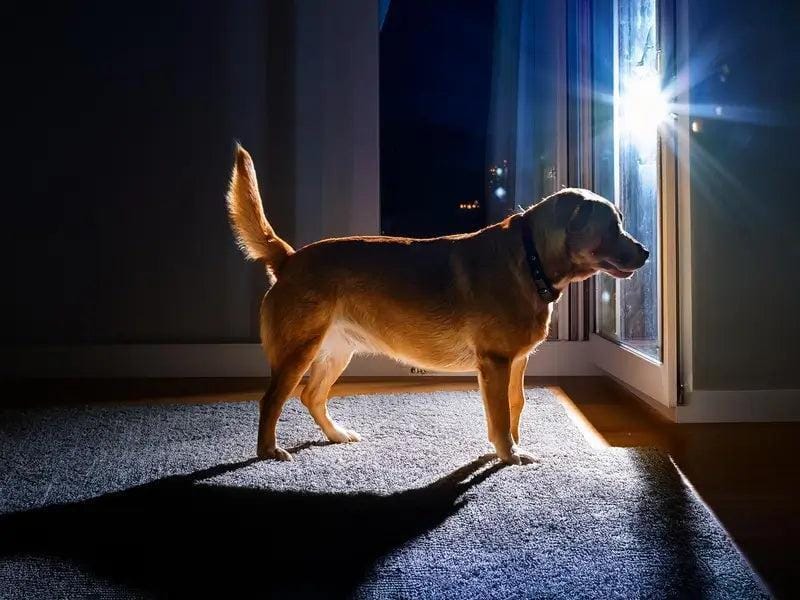
Introduction: When Your Dog Just Can’t Settle
The house is quiet.
You’re ready for bed.
But your dog keeps getting up.
They walk from room to room.
Lie down.
Stand again.
Circle the hallway.
Maybe they pant, whine, stare at you, or seem unable to get comfortable.
Owners often ask:
Why is my dog pacing at night?
After more than 30 years in veterinary medicine, I can tell you this clearly:
Nighttime pacing usually means something is off.
Sometimes the cause is simple, like needing to urinate.
Other times, pacing can be a sign of pain, anxiety, nausea, cognitive decline, breathing discomfort, or another medical problem.
At PetLovers United, we encourage owners to look at nighttime restlessness as information.
Your dog may not be able to tell you what feels wrong.
But their behavior can give you important clues.
What Does Nighttime Pacing Mean?
Pacing itself is not a diagnosis.
It is a behavior that tells us your dog is having difficulty settling.
The most useful question is:
What else is happening at the same time?
For example, a dog pacing because they need to go outside may settle immediately after urinating.
A dog with arthritis may repeatedly change positions because lying down hurts.
A senior dog with cognitive dysfunction may wander aimlessly and seem confused.
A dog with nausea may pace, lick their lips, swallow repeatedly, and refuse food.
The pattern matters.
Common Reasons Dogs Pace at Night
1. Pain
Pain is one of the most important causes of nighttime pacing.
Dogs with arthritis, back pain, neck pain, or other discomfort may have difficulty finding a comfortable position.
You may notice:
- Repeated standing and lying down
- Panting at rest
- Trembling
- Hesitation before lying down
- Reluctance to climb stairs
- Difficulty rising
- Reduced interest in walks
- Slower movement
Nighttime can make these signs more obvious because the house is quiet and your dog is trying to rest.
A dog who cannot get comfortable may pace because moving feels better than lying still.
2. Need to Urinate
Sometimes the answer is exactly what it looks like.
Your dog may simply need to go outside.
This becomes more important if they are:
- Asking to go out more often
- Waking at night to urinate
- Having accidents indoors
- Drinking more water
- Producing larger amounts of urine
Conditions such as urinary tract disease, diabetes, kidney disease, and some medications can increase urination.
If nighttime bathroom needs are new, mention them to your veterinarian.
3. Anxiety
Anxious dogs may have difficulty settling.
Triggers can include:
- Thunderstorms
- Fireworks
- Changes in routine
- New people
- New pets
- Separation
- Household noises
You may also notice:
- Panting
- Whining
- Trembling
- Following you closely
- Hypervigilance
- Difficulty sleeping
Anxiety is a real possibility.
But a new pacing problem should not automatically be labeled behavioral until pain and medical causes are considered.
4. Canine Cognitive Dysfunction
Senior dogs can develop age-related changes in brain function.
Canine cognitive dysfunction may affect:
- Sleep
- Memory
- Awareness
- House-training
- Social interaction
- Orientation
Dogs may:
- Pace at night
- Wander
- Stare at walls
- Get stuck in corners
- Seem confused
- Sleep more during the day
- Wake frequently overnight
- Vocalize more
This is sometimes described as “sundowning,” though the exact pattern varies.
Don’t Assume It Is “Just Old Age”
A senior dog who starts pacing at night deserves evaluation.
Pain, urinary disease, vision loss, metabolic illness, and other problems can create similar signs.
Age is context—not a diagnosis.
5. Nausea
A nauseated dog may not vomit immediately.
Instead, you may see:
- Pacing
- Lip licking
- Drooling
- Repeated swallowing
- Grass eating
- Turning away from food
- Restlessness
Some dogs pace because they feel sick and cannot get comfortable.
If appetite changes or vomiting appear too, contact your veterinarian.
6. Respiratory Discomfort
Dogs who are having difficulty breathing may pace because lying down feels uncomfortable.
Watch for:
- Rapid breathing at rest
- Persistent panting
- Increased abdominal effort
- Coughing
- Neck extended to breathe
- Inability to lie comfortably
- Blue, gray, or very pale gums
This is more concerning than ordinary restlessness.
Breathing difficulty requires prompt veterinary attention.
7. Gastrointestinal or Abdominal Discomfort
Abdominal pain can also cause pacing.
Dogs may:
- Stretch repeatedly
- Look at their abdomen
- Refuse food
- Vomit
- Drool
- Change positions constantly
A painful or swollen abdomen deserves attention.
Repeated unproductive retching with abdominal enlargement is especially concerning and may indicate gastric dilatation-volvulus (GDV), or bloat.
That is an emergency.
8. General Illness
Sometimes pacing is simply one of the first visible signs that a dog feels unwell.
Illness can change:
- Sleep
- comfort
- Appetite
- Energy
- Behavior
If pacing is new and your dog seems “off” in any other way, trust that observation.
Why Is My Senior Dog Pacing at Night?
This is one of the most common versions of the question.
In older dogs, important possibilities include:
- Arthritis
- Back pain
- Cognitive dysfunction
- Increased need to urinate
- Vision or hearing loss
- Anxiety
- Chronic illness
Senior dogs often have more than one contributing factor.
For example, a dog with arthritis and cognitive changes may pace because they are both uncomfortable and disoriented.
That is why a full veterinary evaluation can be so useful.
Why Is My Dog Pacing and Panting at Night?
Panting adds another important clue.
Panting may occur with:
- Pain Anxiety
- Heat
- Fever
- Medication effects
- Respiratory disease
- Hormonal disease
A dog who is pacing and panting in a cool home without recent exercise deserves closer attention—especially if the behavior is new.
Why Is My Dog Pacing but Won’t Lie Down?
This pattern often raises concern for discomfort.
Potential causes include:
- Arthritis
- Back pain
- Abdominal pain
- Breathing difficulty
- Anxiety
Watch for repeated attempts to lie down followed by standing again.
That can be a sign your dog is struggling to find a comfortable position.
What Else Should I Watch For?
Nighttime pacing becomes more meaningful when accompanied by:
- Panting
- Whining
- Trembling
- Confusion
- Appetite loss
- Vomiting
- Increased thirst
- Increased urination
- Coughing
- Difficulty breathing
- Weakness
- Trouble rising
- Stiffness
- House-training accidents
The more signs you see together, the more important veterinary evaluation becomes.
When Should I Call My Veterinarian?
Contact your veterinarian if your dog has:
- Repeated nighttime pacing
- New restlessness
- Panting at rest
- Whining Appetite changes
- increased thirst
- Increased urination
- New confusion
- Mobility changes
- Difficulty sleeping
- A sudden behavior change in a senior dog
You do not need to wait until symptoms become severe.
When Is Nighttime Pacing an Emergency?
Seek urgent veterinary care if pacing occurs with:
- Difficulty breathing
- Blue, gray, or very pale gums
- Collapse
- Severe weakness
- Repeated unproductive retching
- A swollen or painful abdomen
- Severe pain
- Seizures
- Inability to stand
- Rapidly worsening neurologic signs
These are not routine restlessness signs.
What Should I Do at Home?
If your dog is pacing but otherwise stable, start by observing patterns.
Helpful Steps
- Take them outside to urinate
- Note what time pacing begins
- Watch for panting, nausea, or pain
- Record episodes on video
- Track appetite and water intake
- Watch how easily your dog lies down and gets back up
- Keep the environment calm and predictable
For Senior Dogs
Consider:
- Non-slip rugs
- Easy access to water
- A supportive bed
- Nightlights
- Reduced stair use
- A late-evening potty break
These changes can help, but they do not replace evaluation if pacing is new or persistent.
Common Mistakes to Avoid
Assuming It Is Anxiety
Anxiety is possible.
But pain, nausea, urinary issues, and cognitive dysfunction can look very similar.
Assuming It Is “Just Age”
Senior dogs can develop treatable causes of nighttime restlessness.
Ignoring Panting at Rest
Panting without heat or exercise can be a sign of pain or illness.
Assuming a Dog Who Eats Is Fine
Dogs can continue eating even while uncomfortable.
Giving Human Sleep or Pain Medication
Do not give human medications without veterinary guidance.
Some can be dangerous to dogs.
What Might My Veterinarian Evaluate?
Your veterinarian may assess:
- Pain
- Mobility
- Joint function
- Spine
- Heart and lungs
- Abdomen
- Neurologic status
- Hydration
- Cognitive function
Depending on the findings, testing may include:
- Bloodwork
- Urinalysis
- Blood pressure
- X-rays
- Ultrasound
- Other targeted diagnostics
The goal is not to test for everything.
It is to identify which pattern fits your dog best.
Modern Veterinary Insight: Nighttime Restlessness Can Be a Valuable Clue
Veterinary medicine now recognizes nighttime behavior as important health information.
A dog who suddenly cannot settle may be showing early signs of:
- Pain
- Cognitive decline
- Urinary disease
- Nausea
- Respiratory discomfort
- Other illness
Many dogs improve significantly when the underlying cause is identified.
For some, that may mean better pain control.
For others, urinary treatment, cognitive support, environmental changes, or anxiety management may help.
The important part is finding the “why.”
A Final Thought From Dr. Pam
Nighttime pacing can be exhausting.
But instead of seeing it only as a sleep problem, think of it as a message.
Your dog may be saying:
“I hurt.”
“I need to go outside.”
“I feel confused.”
“I feel sick.”
“I can’t get comfortable.”
The goal is not to guess perfectly.
It is to notice the pattern and ask for help when something has changed.
Night pacing is usually communication.
And listening early can make a real difference in comfort and quality of life.
🐾 Want Help Making Smarter Pet Health Decisions?
If this article helped you feel more informed or supported, I’d love to stay connected.
Subscribe to the free weekly PetLovers United newsletter for veterinarian-led education, practical tips, and real-life insights that help you care for the pets you love.
👉 https://www.petlovers-united.com/newsletter
And if you want deeper guidance, tools, and direct support:
Explore the PetLovers United membership, where we help you recognize problems earlier, ask better questions, and confidently care for your pet at every stage of life.
👉 https://www.petlovers-united.com/membership-comparison
PetLovers United | www.petlovers-united.com | Educational Content Only
Enjoying The Blogs? Stay Connected
Join our Free Educational Community to help you make informed decisions and become your pet's best advocate.
Always free. No membership required.

Opening Hours:
Monday – Friday 8am – 9pm
Phone: (310) 495 – 7015
Email: info@PetLoversUnited.com
Address:
Opening Hours:
Monday – Friday 8am – 9pm
Phone: (310) 495 – 7015
Email: info@petlovers-united.com
10 Franklin Hwy.
Suite 188
Newnan, GA 30263
USA